
Categorias
Veja todas as
Categorias
- Casas D'Elvas
- Vila Galé Cabo
- Vila Galé Collection Amazônia
- Vila Galé Collection Penacova
- Vila Galé Collection Tomar
- Vila Galé Ericeira
- Vila Galé Ericeira 7
- Vila Galé Estoril
- Vila Galé Isla Canela
- Vila Galé Marés
- Vila Galé Monte do Vilar
- Vila Galé NEP Kids
- Vila Galé Ópera
- Vila Galé Ouro Preto
- Vila Galé Ponte de Lima
- Vila Galé Porto Ribeira
- Vila Galé São Miguel
- Vila Galé Sunset Cumbuco
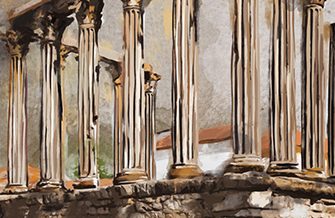
Considered a World Heritage Site by UNESCO since 1986, the Évora Roman temple is one of the largest and best preserved in the Iberian Peninsula. In the 5th century, barbarian peoples invaded the city and destroyed part of the monument. It then underwent a restoration process coordinated by the Italian
admin
- 14 de Março, 2023
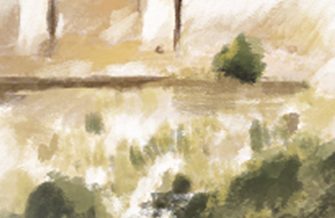
Surrounded by greenery and mountains, the construction of the Noudar Castle dates back to 1307, during the reign of D. Dinis, and it was important for the defence of the border with Castile during the 16th century. Located in Barrancos, between the Múrtega stream and the Ardila river, it is
- 14 de Março, 2023
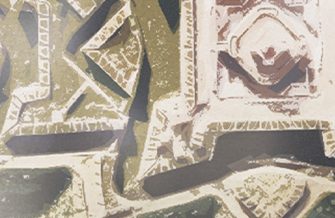
Located in Elvas, the Graça or Lippe Fort is a perfect example of 18th century military architecture. Many historians consider it to be one of the most powerful fortresses in the world. Its good strategic position be-came evident during the War of Restoration, when Spanish troops occupied the site during
- 14 de Março, 2023
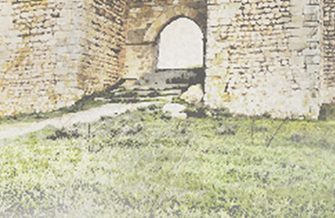
The Castle of Arraiolos, also known as Paço dos Alcaides, is located in Arraiolos, in the region of Évora, on top of the São Pedro Hill, towering over the town, and allowing a 360º view of the vast Alentejo plain. Built around 1305, during the reign of D. Dinis, it
- 14 de Março, 2023
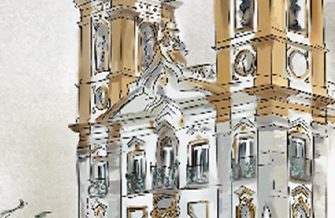
Located in Viana do Alentejo, this Baroque-style sanctuary was built between 1743 and 1804, according to the plans of Father João Baptista, on the site of a former 16th-century chapel. On the doorway, an inscrip-tion in Latin relates that, after the expulsion of the Moors from these lands, a farmer
- 14 de Março, 2023
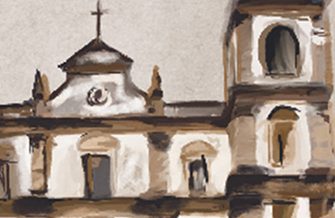
The Cathedral of Portalegre, also known as the Parish Church of Nossa Senhora da Assunção (Our Lady of the Assumption), was commissioned by King João III in the 16th century and its first bishop was Julião de Alva. Built in a late Renaissance style, the church underwent alterations between 1737
- 14 de Março, 2023
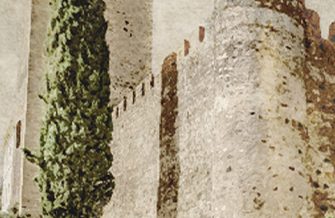
Protecting the centre of the Alentejo town of Alter do Chão, the Castle is a fine example of fourteenth-century medieval architecture, erected during the reign of Dom Pedro I, in 1359. At that time, it constituted a defensive articulation with Estremoz, Fronteira, Évora Monte, Avis, Alter Pedroso, Marvão, and Portalegre.
- 14 de Março, 2023
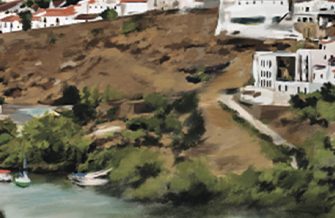
“An imposing monument, which dominates the historic centre of the town of Mértola, considered an invincible fortress for centuries. Most of the building was built in the 13th century by the knights of the Order of Santiago, with a military structure and walled enclosure. Its main element is the Castle
- 14 de Março, 2023
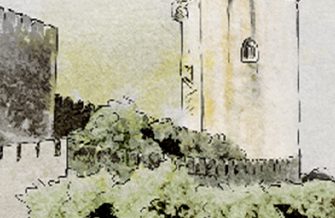
During the reign of King Afonso III (13th century), soon after the city was conquered by Christians, the walls of the city and the castle were rebuilt, and the imposing keep was built by his son, King Dinis, during the 14th century. Almost 40 metres high, it is remarkably beautiful and is
- 14 de Março, 2023
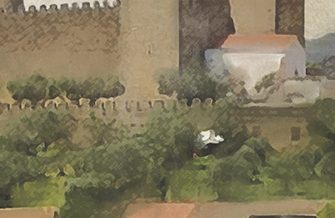
In the village of Amieira do Tejo, in the municipality of Nisa, in Portalegre, the Amieira Castle is an excellent example of 14th-century military architecture. By order of the Prior of the Order of the Hospital, D. Frei Álvaro Gonçalves Pereira, it was built in 1350. It consists of a
- 14 de Março, 2023