
Categorias
Veja todas as
Categorias
- Casas D'Elvas
- Vila Galé Alentejo Vineyards
- Vila Galé Alter Real
- Vila Galé Cabo
- Vila Galé Casas D´Elvas
- Vila Galé Collection Amazônia
- Vila Galé Collection Penacova
- Vila Galé Collection Serra da Estrela
- Vila Galé Collection Tomar
- Vila Galé Ericeira
- Vila Galé Ericeira 7
- Vila Galé Estoril
- Vila Galé Isla Canela
- Vila Galé Marés
- Vila Galé Monte do Vilar
- Vila Galé NEP Kids
- Vila Galé Ópera
- Vila Galé Ouro Preto
- Vila Galé Ponte de Lima
- Vila Galé Porto Ribeira
- Vila Galé São Miguel
- Vila Galé Sunset Cumbuco
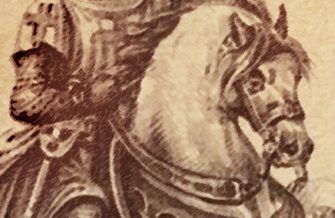
The County of Portucale (Condado Portucalense) was one of the first places where the Knights Templar were established. From 1122 onwards, a few years after the Order of the Temple had been founded in Jerusalem, some friars acquired property in the city and surroundings of Braga. However, the official move
admin
- 23 de Junho, 2023
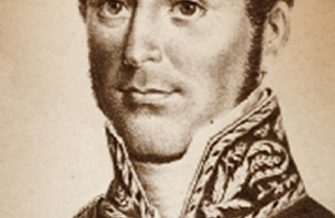
António Bernardo da Costa Cabral was one of the most important politicians in Portuguese politics during the first phase of the Constitutional Monarchy. Born in Algodres on 9th May 1803, he was a Member of Parliament, Peer of the Realm, effective Counsellor of State, Minister of Justice and Ecclesiastical Affairs,
- 23 de Junho, 2023
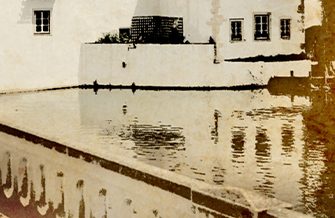
The Santa Iria Convent was an ancient monastery of Poor Clares built in the early 16th century on the very spot where, according to tradition, Saint Irene (Santa Iria) was beheaded and thrown into the waters of the Nabão River. An expression of Manueline, Renaissance, and Mannerist art, the convent
- 23 de Junho, 2023
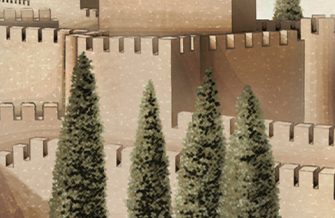
Zêzere Castle is the only one of the castles built by the Portuguese Templars at the time when D. Gualdim Pais was Master of the Order that has completely disappeared. It was built in the second half of the 12th century, possibly on top of an older one, due to
- 23 de Junho, 2023
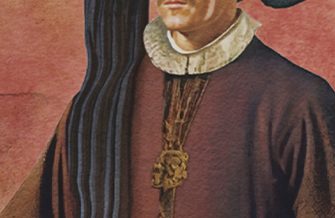
Prince Henry the Navigator is the main protagonist of the Portuguese Discoveries and the mentor of the discovery and settlement of the Azores archipelago. A member of the Great Generation, he was the third of the six surviving children of King John I and Filipa de Lencastre, and was born
- 22 de Junho, 2023
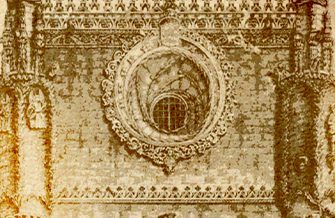
The Manueline is an artistic style that prevailed during the reign of King Manuel I (1495-1521), mediating between the late Gothic and Renaissance language, which synthesises artistic discourses such as Flamboyant Gothic, Spanish Plateresque, and Peninsular Mudejar art. In architectural terms, the Manueline fully conformed to the prevailing canons of
- 22 de Junho, 2023
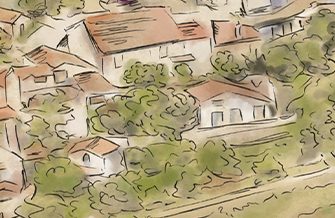
The Dornes Tower is one of the most unusual Templar monuments in Portugal. Located in the municipality of Ferreira do Zêzere, it is set on a buttress over the Zêzere river, from where it overlooks it and enjoys a magnificent panorama. Presumably built on a pre-existing structure dating from the
- 22 de Junho, 2023
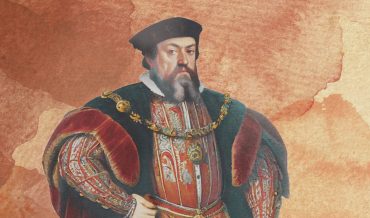
King John III is one of the most celebrated Portuguese monarchs. Heir to a vast maritime empire that stretched across the Orient, Africa and the Americas, he ruled Portugal and its vast domains between 1521 and 1557. He was the first-born son of King Manuel I’s second marriage to Maria
- 22 de Junho, 2023
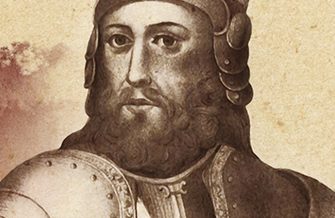
King Dinis was one of the most illustrious Portuguese monarchs. The son of Afonso III and Beatrice of Castile, he was born on 9th October 1261 and became the sixth king of Portugal. When he ascended the throne in 1279, he promoted important reforms in medieval Portugal, which earned him
- 22 de Junho, 2023
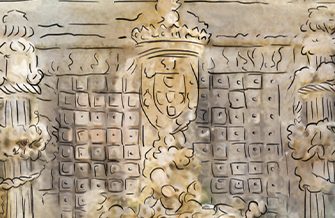
The Convent of Christ is one of the most important monumental complexes of Portuguese cultural heritage. Originally designed as the oratory of the Knights Templar – the Charola – which was completed in 1190, it was part of the vast complex of buildings commissioned by Dom Gualdim Pais, including the
- 22 de Junho, 2023