
Categorias
Veja todas as
Categorias
- Casas D'Elvas
- Vila Galé Cabo
- Vila Galé Collection Amazônia
- Vila Galé Collection Penacova
- Vila Galé Collection Tomar
- Vila Galé Ericeira
- Vila Galé Ericeira 7
- Vila Galé Estoril
- Vila Galé Isla Canela
- Vila Galé Marés
- Vila Galé Monte do Vilar
- Vila Galé NEP Kids
- Vila Galé Ópera
- Vila Galé Ouro Preto
- Vila Galé Ponte de Lima
- Vila Galé Porto Ribeira
- Vila Galé São Miguel
- Vila Galé Sunset Cumbuco
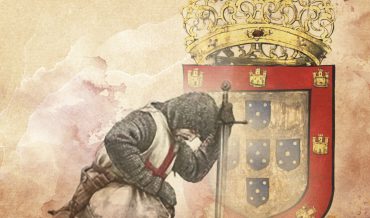
After the extinction of the Order of the Temple decreed in 1312 by Pope Clement V, all the Templars’ possessions were to be transferred to the Hospitallers, except those of Portugal, Castile, Aragon, and Mallorca, which were to remain in the possession of the respective Crowns until their fate was
admin
- 23 de Junho, 2023
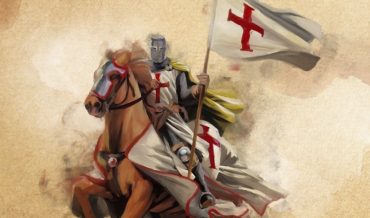
Tomar was the headquarters of the Order of the Temple in Portugal from the 1160s until it ceased to exist in 1312, and there is significant evidence of the Templars’ presence in the city. Founded at the beginning of the Christian era, under the name of Sellium, it bordered the
- 23 de Junho, 2023
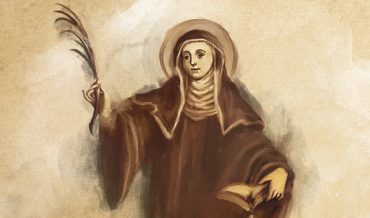
Saint Irene is considered the patron saint of the city of Tomar. A martyr of the 7th century, she was born in the city of Nabância, Tomar’s predecessor, in the year 635. She grew up in a Christian family and decided to pursue religious life in a Benedictine convent, ruled
- 23 de Junho, 2023
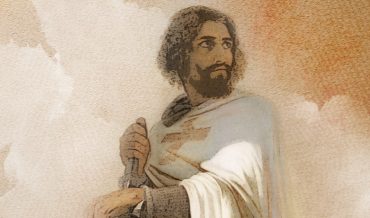
“A Knight Templar is truly a knight who is fearless and safe on all sides, for his soul is protected by the armour of faith, just as his body is protected by the armour of steel. He is, therefore, doubly armed and without the need of fears of demons nor
- 23 de Junho, 2023
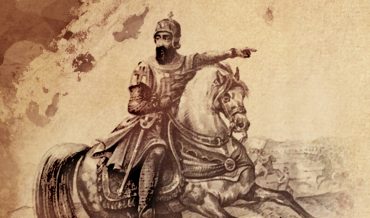
The County of Portucale (Condado Portucalense) was one of the first places where the Knights Templar were established. From 1122 onwards, a few years after the Order of the Temple had been founded in Jerusalem, some friars acquired property in the city and surroundings of Braga. However, the official move
- 23 de Junho, 2023
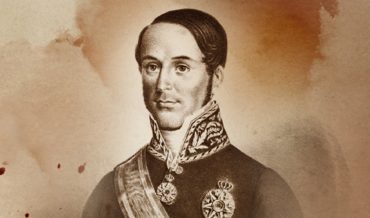
António Bernardo da Costa Cabral was one of the most important politicians in Portuguese politics during the first phase of the Constitutional Monarchy. Born in Algodres on 9th May 1803, he was a Member of Parliament, Peer of the Realm, effective Counsellor of State, Minister of Justice and Ecclesiastical Affairs,
- 23 de Junho, 2023
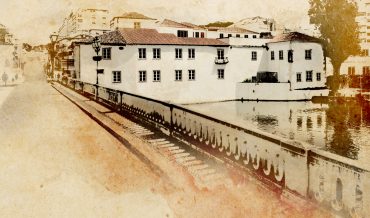
The Santa Iria Convent was an ancient monastery of Poor Clares built in the early 16th century on the very spot where, according to tradition, Saint Irene (Santa Iria) was beheaded and thrown into the waters of the Nabão River. An expression of Manueline, Renaissance, and Mannerist art, the convent
- 23 de Junho, 2023
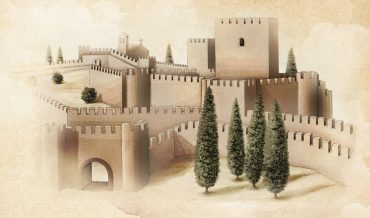
Zêzere Castle is the only one of the castles built by the Portuguese Templars at the time when D. Gualdim Pais was Master of the Order that has completely disappeared. It was built in the second half of the 12th century, possibly on top of an older one, due to
- 23 de Junho, 2023
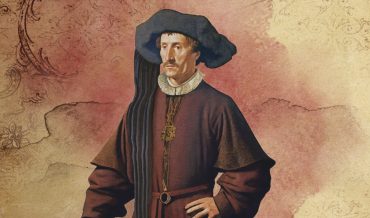
Prince Henry the Navigator is the main protagonist of the Portuguese Discoveries and the mentor of the discovery and settlement of the Azores archipelago. A member of the Great Generation, he was the third of the six surviving children of King John I and Filipa de Lencastre, and was born
- 22 de Junho, 2023
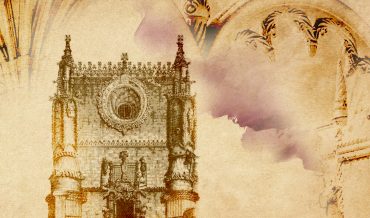
The Manueline is an artistic style that prevailed during the reign of King Manuel I (1495-1521), mediating between the late Gothic and Renaissance language, which synthesises artistic discourses such as Flamboyant Gothic, Spanish Plateresque, and Peninsular Mudejar art. In architectural terms, the Manueline fully conformed to the prevailing canons of
- 22 de Junho, 2023