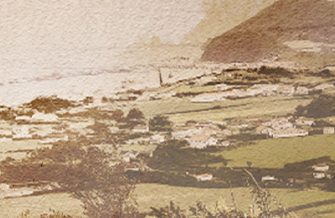
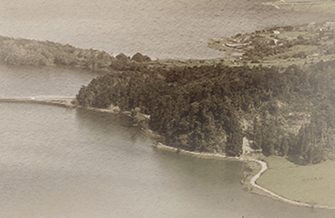
Discovered in 1427 and colonised from 1432 onwards, mainly by Flemish settlers, it is said to have received the name Faial because there are many beech trees (faias in Portuguese) here, and was initially used only for grazing cattle by the inhabitants of Terceira island. Besides the islands of São
admin
- 21 de Abril, 2023
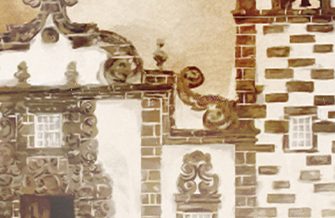

The autonomy of the Azores archipelago, which became a reality with the administrative decentralisation from 1975 onwards, is the result of an evolutionary process of the Azoreans’ aspiration to govern themselves within the Portuguese state. Since their discovery and settlement by navigators in the service of Prince Henry the Navigator,
- 21 de Abril, 2023
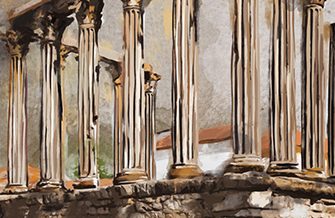
Considered a World Heritage Site by UNESCO since 1986, the Évora Roman temple is one of the largest and best preserved in the Iberian Peninsula. In the 5th century, barbarian peoples invaded the city and destroyed part of the monument. It then underwent a restoration process coordinated by the Italian
- 14 de Março, 2023
Surrounded by greenery and mountains, the construction of the Noudar Castle dates back to 1307, during the reign of D. Dinis, and it was important for the defence of the border with Castile during the 16th century. Located in Barrancos, between the Múrtega stream and the Ardila river, it is
- 14 de Março, 2023
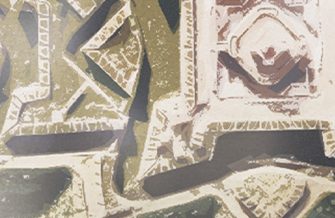
Located in Elvas, the Graça or Lippe Fort is a perfect example of 18th century military architecture. Many historians consider it to be one of the most powerful fortresses in the world. Its good strategic position be-came evident during the War of Restoration, when Spanish troops occupied the site during
- 14 de Março, 2023