
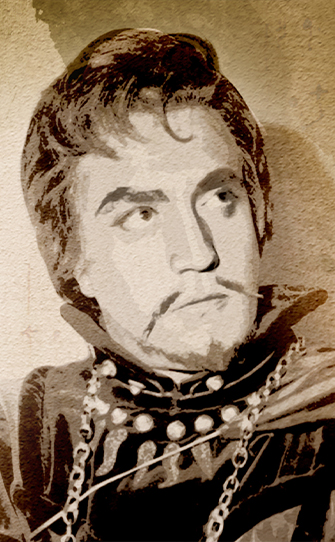
La donna è mobile qual piuma al vento muta d’accento e di pensiero Sempre un’amabile leggiadro viso in pianto e in riso è menzognero La donna è mobil qual piuma al vento muta d’accento e di pensier e di pensier e di pensier È sempre misero chi a lei s’affida

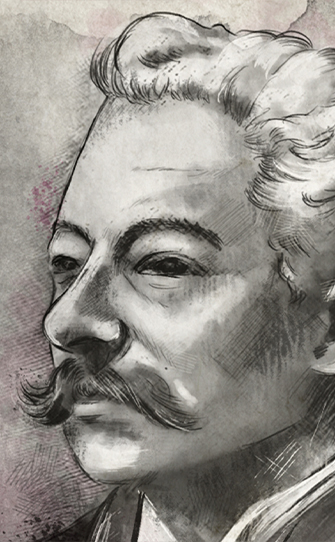
Francisco de Freitas Gazul was born in Lisbon in 1842. He was a Portuguese dramatic composer and musicologist, and a teacher at the National Conservatory of Lisbon. With an Italian influence, he dedicated himself to the composition of theatre music, and wrote the score for the operatic version of the

A minha sorte grande foi você cair do céu Minha paixão verdadeira Viver a emoção, ganhar teu coração Pra ser feliz a vida inteira É lindo o teu sorriso O brilho dos teus olhos Meu anjo querubim Doce dos meus beijos Calor dos meus braços Perfume de jasmim Chegou no
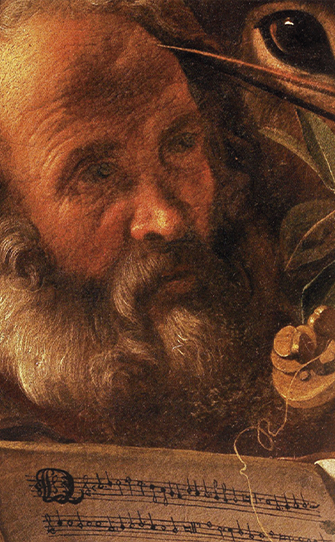
Friar Fernando de Almeida, a professed religious of the Order of Christ, was one of the most relevant composers of the first half of the 17th century in Portugal, and is considered one of the greatest representatives of the tradition of Portuguese polyphonists that preceded the Italianisation of sacred music.
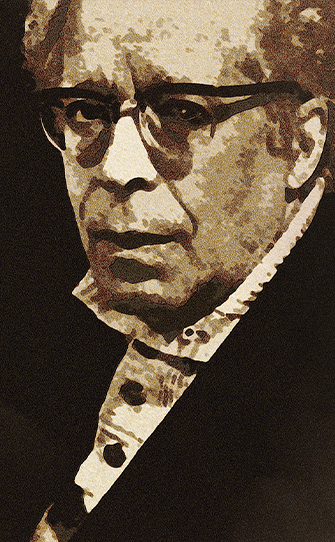
Fernando Lopes Graça was a major figure of music in Portugal in the 20th century. Composer, pianist, musicologist, and conductor, he was born in Tomar on 17th December 1906. Seduced by music from an early age, at the age of 14, he started working as a pianist at the Cinema-Theatre
Diogo de Torralva is one of the key figures in the Convent of Christ and the history of art in Portugal. He was a sculptor and an architect, and his exact provenance is not known, with Piemonte and Castile being the most likely. We do not know exactly how he
João de Castilho is one of the fundamental names in Manueline art, where he introduced the language of plateresque. Born in Merindad de Trasmiera, Cantabria, around 1470, he apprenticed in the building yards of the Burgos and Seville cathedrals. In 1508, he came to Portugal, called by the Archbishop of
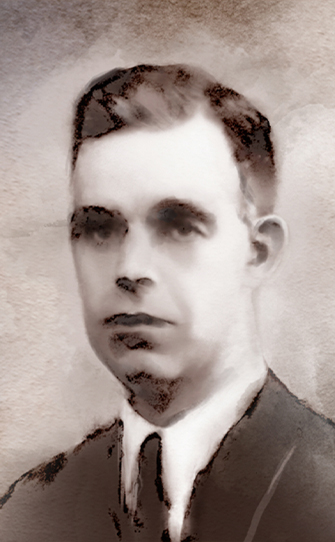
Eduardo de Arantes e Oliveira was born in Tomar on 19th April 1907, and became famous for having been Minister of Public Works during the Estado Novo regime, between 2nd March 1954 and 12th April 1967. Having done his preparatory studies at the Colégio Militar, he then entered the School
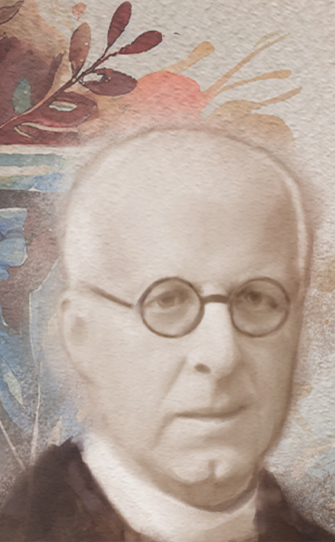
Father Manuel Nunes Formigão is one of the key names in the history of the Fátima apparitions. He was born precisely in the Convent of Christ, in Tomar, on 1st January 1883, since his family lived in that building. At the age of 12, he entered the Patriarchal Seminary in
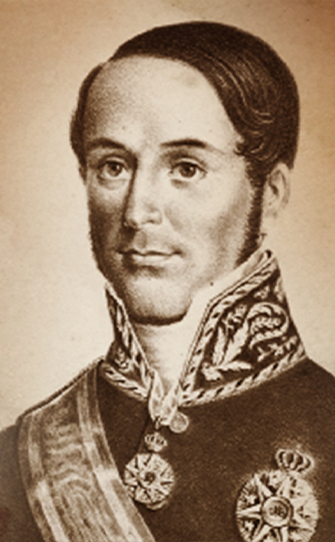
António Bernardo da Costa Cabral was one of the most important politicians in Portuguese politics during the first phase of the Constitutional Monarchy. Born in Algodres on 9th May 1803, he was a Member of Parliament, Peer of the Realm, effective Counsellor of State, Minister of Justice and Ecclesiastical Affairs,